Merchant Man
New member

-- Øernes Krig, Gamle Saga of Ignar Hessenson --
- Objective: To chronicle the events of the War of the Isles as depicted in the Ancient Saga of Ignar Hessenson, detailing the jarl's raiding campaign against Albion and its dramatic conclusion.
- Category: Conflict
- Image Credit: Flow Image Creator
- Development Thread: Not Applicable
- Permissions: Not Applicable
- Name: Øernes Krig (War of the Isles)
- Classification: War, Invasion, Raiding Expedition
- Reference Link: Not Applicable since Ancient Battle
- Location: The isles of Soroyar and Utanreynar, the Province of Hafud in East Albion, culminating at the Village of Seringa. (Relevant to northern Albion coastal regions.)
- Date: 750 ME
- Participants: Jarl Ignar Hessenson of Skjoldrkliff and his Huscarls aboard longships; the Fae prophet Entwine; King Rætsweald of East Albion and his royal army.
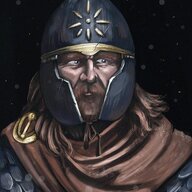
The War of the Isles was a short but intense raiding and conquest campaign led by the fearsome Jarl Ignar Hessenson from Skjoldrkliff against the lands of Albion. Accompanied by the Fae seer Entwine, Ignar's forces captured the isles of Soroyar and Utanreynar, established settlements, and then raided the Province of Hafud. The campaign ended with Ignar's defeat and death at the Battle of Seringa against King Rætsweald, leading to the retreat of his army.
Historical Information

-- Jarl Ignar Hessenson vs King Rætsweald
Battle of Seringa, East Albion --
In the year approximately 750 ME, long after the death of Marloman the Great, Jarl Ignar Hessenson, a formidable warrior from the rugged lands of Skjoldrkliff, assembled a mighty host of Huscarls and neighboring mercenaries. Boarding their iconic longships, they set sail to plunder the wealthy lands of Albion. With him traveled Entwine, a Fae once held prisoner but who had become a trusted prophet, guiding the jarl's ambitions.
Under Entwine's counsel, Ignar's forces first seized the isles of Soroyar and Utanreynar, swiftly overcoming local resistance and establishing Nordur-style settlements as bases for further operations. From these footholds, the raiders descended upon the Province of Hafud, where they raided and pillaged numerous Albion villages, amassing significant plunder intended for return to Skjoldrkliff.
Throughout the campaign, Entwine repeatedly warned Ignar of a mysterious figure known as the Lord of the Rats, prophesying that this individual would bring about the jarl's doom. Blinded by his successes and the apparent invincibility of his army, Ignar dismissed these warnings, believing no force could stand against his warriors.
The prophecy proved true when King Rætsweald of East Albion, likely the very "Lord of the Rats" foretold, marshaled a formidable army and confronted the invaders at the Village of Seringa. A fierce and intense battle ensued, with clashing steel and the roar of combat filling the air. Despite their ferocity, the Skjoldrkliff forces were ultimately repelled. Jarl Ignar Hessenson himself was struck down in a violent and decisive manner during the fighting.
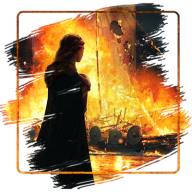
Following the jarl's death, his body was carried back to the Province of Hafud and secretly buried in a dense forest to prevent desecration or exploitation by the victors. The remnants of his army retreated to the captured isles before eventually sailing back to Skjoldrkliff. Thus concluded the War of the Isles, a saga of ambition, prophecy, and ultimate downfall.

| King Rætsweald defeats Jarl Ignar Hessenson Battle of Seringa The decisive victory at Seringa solidified King Rætsweald's reputation as a defender of Albion. The battle not only halted the dreaded Jarl's incursion but also ensured that the settlements on Soroyar and Utanreynar did not lead to permanent conquest of the mainland. |

| Jarl Ignar Hessenson's Forgotten Runestone, at Hufad, Albion In the dense forests of Hafud (sometimes rendered as Harga), a runestone is said to mark the secret burial site of Jarl Ignar Hessenson. Over time, it has become forgotten and overgrown, serving as a somber reminder of the transient nature of glory and the fulfillment of prophecy. |
Last edited: