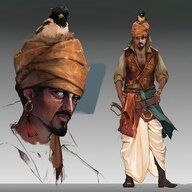
Amra bint Nasir al-Zahra
New member

The harbor of Karthago had never been quiet, but grief altered sound.
Where once Amra had heard music in it. With the calls of gulls, the slap of water against hulls, the bargaining cries of fishmongers and spice factors, and the bells that marked arrivals from distant shores. Now it was only noise pressing against a wound that refused to close. Even the sea seemed indifferent. It kept moving, kept breathing against the stone quays, as if noble houses did not fall and fathers did not die.
House al-Zahra had been reduced in a matter of weeks from certainty to memory.
Its banners were gone from the upper balconies. Its guards were dismissed, bribed away, or buried. Accounts seized. Warehouses contested. Old allies were suddenly too cautious to be seen. Men who had once bowed deeply now offered condolences from a careful distance and hurried on. Her father, Lord Nasir al-Zahra, lay in the family tomb beneath cool carved stone while the city above divided what he had built.
Amra was fifteen and had learned, all at once, how quickly respect could become carrion.
She had left the smaller residence where her mother now kept what remained of their household and come to the docks alone beneath a plain cloak, more for air than purpose. No attendants followed her now unless absolutely necessary. No one insisted she remain inside. There was no court left to protect appearances for.
She stood near a weathered mooring post, watching laborers unload sacks of grain from a coastal trader with the hard efficiency of men whose hunger depended on pace. Rope burned across palms. Orders were shouted. Someone laughed too loudly. Life, insultingly, continued.
Her gaze moved across faces she did not know, men sun-browned and broad-shouldered, boys quick as rats underfoot, sailors carrying burdens that would have bent lesser backs. Among them were others too—those who had clawed their way upward with no name to inherit, no tutors, no family crest to open doors before them.
Her father had respected such people more than many nobles ever understood.
Fortune built from nothing tends to know its own weight, he had once told her.
The memory tightened her throat.
Amra drew the cloak closer and stepped aside as two dockhands hurried past with a crate between them. One clipped the edge of a barrel stacked carelessly near her. It lurched. Another rolled after it. The larger cask tipped toward the stones where she stood.
She moved, but not quickly enough.
The barrel struck the quay hard enough to split a hoop and burst open in a wash of brine and silver fish that skidded across the stone in every direction. Shouts erupted. A boy cursed. Someone barked for hands to gather the spill before gulls claimed it.
Cold water splashed the hem of her dress. For one suspended beat, Amra simply stared. Then, against all reason, she laughed.
It was the first true laugh since her father's death, startled out of her by absurdity so complete that sorrow lost its grip for a moment. Fish flopped at her feet. Dockmen scrambled. Her expensive mourning slippers were ruined beneath the cloak.
She bent, lifted one of the escaping fish by the tail, and set it back toward the pile with more dignity than the creature deserved.
When she straightened, she became aware that others had noticed. Some with curiosity. Some with amusement. Some with the sharper look reserved for fallen nobility, behaving strangely in public. Amra met those eyes without flinching. Let them look.
The wind off the harbor tugged loose a strand of dark hair from beneath her veil. She tucked it back, steadied herself, and turned toward the source of fresh movement nearby. Another arrival at the quay, another vessel tying in, another man perhaps beginning where others had ended.
For the first time in many days, she felt something other than grief. Not peace. Not happiness. But the faint, stubborn sensation that the story had not finished with her yet.
Sultan Al-Masri
Where once Amra had heard music in it. With the calls of gulls, the slap of water against hulls, the bargaining cries of fishmongers and spice factors, and the bells that marked arrivals from distant shores. Now it was only noise pressing against a wound that refused to close. Even the sea seemed indifferent. It kept moving, kept breathing against the stone quays, as if noble houses did not fall and fathers did not die.
House al-Zahra had been reduced in a matter of weeks from certainty to memory.
Its banners were gone from the upper balconies. Its guards were dismissed, bribed away, or buried. Accounts seized. Warehouses contested. Old allies were suddenly too cautious to be seen. Men who had once bowed deeply now offered condolences from a careful distance and hurried on. Her father, Lord Nasir al-Zahra, lay in the family tomb beneath cool carved stone while the city above divided what he had built.
Amra was fifteen and had learned, all at once, how quickly respect could become carrion.
She had left the smaller residence where her mother now kept what remained of their household and come to the docks alone beneath a plain cloak, more for air than purpose. No attendants followed her now unless absolutely necessary. No one insisted she remain inside. There was no court left to protect appearances for.
She stood near a weathered mooring post, watching laborers unload sacks of grain from a coastal trader with the hard efficiency of men whose hunger depended on pace. Rope burned across palms. Orders were shouted. Someone laughed too loudly. Life, insultingly, continued.
Her gaze moved across faces she did not know, men sun-browned and broad-shouldered, boys quick as rats underfoot, sailors carrying burdens that would have bent lesser backs. Among them were others too—those who had clawed their way upward with no name to inherit, no tutors, no family crest to open doors before them.
Her father had respected such people more than many nobles ever understood.
Fortune built from nothing tends to know its own weight, he had once told her.
The memory tightened her throat.
Amra drew the cloak closer and stepped aside as two dockhands hurried past with a crate between them. One clipped the edge of a barrel stacked carelessly near her. It lurched. Another rolled after it. The larger cask tipped toward the stones where she stood.
She moved, but not quickly enough.
The barrel struck the quay hard enough to split a hoop and burst open in a wash of brine and silver fish that skidded across the stone in every direction. Shouts erupted. A boy cursed. Someone barked for hands to gather the spill before gulls claimed it.
Cold water splashed the hem of her dress. For one suspended beat, Amra simply stared. Then, against all reason, she laughed.
It was the first true laugh since her father's death, startled out of her by absurdity so complete that sorrow lost its grip for a moment. Fish flopped at her feet. Dockmen scrambled. Her expensive mourning slippers were ruined beneath the cloak.
She bent, lifted one of the escaping fish by the tail, and set it back toward the pile with more dignity than the creature deserved.
When she straightened, she became aware that others had noticed. Some with curiosity. Some with amusement. Some with the sharper look reserved for fallen nobility, behaving strangely in public. Amra met those eyes without flinching. Let them look.
The wind off the harbor tugged loose a strand of dark hair from beneath her veil. She tucked it back, steadied herself, and turned toward the source of fresh movement nearby. Another arrival at the quay, another vessel tying in, another man perhaps beginning where others had ended.
For the first time in many days, she felt something other than grief. Not peace. Not happiness. But the faint, stubborn sensation that the story had not finished with her yet.
Sultan Al-Masri