
Merchant Man
New member
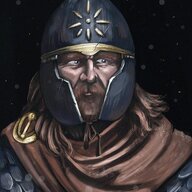

|:| Almuqddasayn, Followers of the Sacred Two |:|
Out of Character Information- Objective: To introduce a dualistic faith that challenges traditional good vs. evil tropes, providing a complex moral framework for characters within the Sultanate of Masyrpt.
- Category: Organized Religion
- Image Credit: Artstation - City Image,
- Development Thread: Not Applicable
- Permissions: Not Applicable
- Name: Almuqddasayn (The Sacred Symmetry)
- Classification: Ditheistic Equilibrism
- Affiliation: The Sultanate of Masyrpt (emerging state religion).
- Description:
Overview
- Influence:
- Membership:
Members must maintain a private ledger recording every deed and its spiritual weight. Failure to correct an imbalance within one lunar cycle results in public shaming or temporary excommunication. Player Characters or Annals-submitted NPCs may be listed here or linked in a separate roster.
- Hierarchy:
The Mizan Shaykhs: Ordained priests who serve as confessors, auditors, and enforcers. They maintain public weighing stations in every city square and are authorized to levy spiritual penalties (mandatory balancing rituals).
The Muwazinin: The common faithful striving for balance. Many form lay brotherhoods or sisterhoods called Mirror Circles for mutual accountability.
- Holdings:
- Resources:
- Doctrines:
- Practices:
The Rite of the Counter-Weight: If a follower commits a great act of Good (favoring Biashakum), they must immediately perform a Terrible act (favoring Sannoyom) to prevent their soul from becoming buoyant and drifting away from Gnoma.
- Traditions:
Day of the Hollow Scales (autumnal equinox): A somber fast in which all temples are emptied and the faithful wander the streets as anonymous vengeful spirits, wearing blank white masks. They are forbidden to speak or act; the day reminds the living of the fate that awaits the unbalanced.
The Weighing of the Dead: When a follower dies, their ledger is read aloud at the Arch of Ameba while their body is placed on the great limestone scales. If balanced, the corpse is cremated and the ashes scattered toward Gnoma. If tilted, the body is left unburied to wander as a Dissonant spirit until natural decay restores equilibrium.
- Pantheon:
Sannoyom ( The Obsidian Eye ): The deity of decay, ruin, deceit, and ego. He represents the "Heavy Weight."
- Mythology:
- Holy Sites:
a massive limestone gate in the heart of the Sultanate where the souls of the dead are believed to be weighed.
The Twin Spires:Twin obsidian-and-gold towers on the northern cliffs where the Seven Hakams meditate in total sensory deprivation to hear the voice of the divided One Soul.
Further Information
Almuqddasayn emerged roughly eighty years ago during the Great Caravan Wars, when merchant-princes and military commanders of Masyrpt grew disillusioned with the Old Traditions of Shahid. They viewed Shahid's teachings as fatally flawed in its lenient tolerance of rival faithsm, seeing it as an invitation for outsiders to erode Masyrpt's sovereigntyand dismissed the doctrine that the Shahidi Kings were destined to conquer and transform the entire world into a paradise as an unrealistic and burdensome fantasy.
In its place, a visionary merchant-priest known only as the First Hakam claimed to have received a vision of the One Soul splitting and began preaching in the bazaars that true strength lay in mastery of both halves of existence, without the need for utopian conquest or indiscriminate acceptance of foreign beliefs. Within two generations the faith had toppled Shadid's dominance in the cities, though desert nomads and rural villages still cling to the older traditions, viewing Almuqddasayn as a pragmatic yet dangerous heresy that excuses calculated vice in the name of balance.
Relations with neighboring cultures remain tense. Theocratic realms to the east denounce the faith as moral nihilism that rejects any path to paradise, while pragmatic trading partners secretly admire its flexibility and its refusal to waste resources on forced conversions or grand utopian campaigns.
Internally, the Sultanate's court is now divided between Gilded and Obsidian factions, each pushing policies that favor one deity while secretly commissioning balancing atrocities to maintain the realm's collective equilibrium. The Seven Hakams quietly prophesy that when the entire Sultanate achieves perfect symmetry, Gnoma will descend from the heavens and the world itself will achieve final, terrifying balance. Whether this is salvation or apocalypse remains the subject of furious theological debate.

--- The Potent Three ---
Out of Character Information- Objective: To introduce The Potent Three as a cynical pagan faith practiced primarily among the nobility of certain Hysperian city-states and petty kingdoms, offering a nihilistic justification for self-serving rule, exploitation of the peasantry, and endless cycles of conquest and decline.
- Category: Organized Religion (Pagan)
- Image Credit: Flow Image Creator
- Development Thread: Not Applicable
- Permissions: Not Applicable
- Name: The Potent Three
- Classification: Polytheistic Paganism (Ditheistic offshoot with triadic focus)
- Affiliation:
- Description:
Overview
- Influence:
- Membership:
- Hierarchy:
- High Orator or High Steward: A senior theological figure attached to a major court or dynasty.
- Banner Priests: Ritual specialists for Irae, usually accompanying armies or commemorating conquest.
- Coin-Readers / Tax Cantors: Clerics of Avaritia who oversee offerings, treasuries, and fiscal rites.
- Keepers of the Still Stone: Custodians of ruins, collapsed halls, and ancestral decay, devoted to Acedia.
- House Devotees: Lesser noble retainers who maintain private shrines and family observances.
- Keepers of the Still Stone: Custodians of ruins, collapsed halls, and ancestral decay, devoted to Acedia.
- Coin-Readers / Tax Cantors: Clerics of Avaritia who oversee offerings, treasuries, and fiscal rites.
- Banner Priests: Ritual specialists for Irae, usually accompanying armies or commemorating conquest.
- High Orator or High Steward: A senior theological figure attached to a major court or dynasty.
Private noble estates, ruined castles maintained as monuments to Acedia, and opulent townhouses with hidden triptych shrines. No public temples exist worship is deliberately kept within elite circles to prevent persecution by the Curia faithful.
- Resources:
- Doctrines:
- Practices:
- Traditions:
Banner Consecration: Captured enemy standards are ritually burned or hung in shrines to feed Irae.
Tax Tithe: A portion of every harsh tax levy is ceremonially offered to Avaritia with prayers for continued prosperity.
- Pantheon:
Avaritia (Greed – The Hoarder): Depicted as a corpulent, richly robed figure clutching overflowing sacks of gold while peasants offer tribute. Symbolizes the ruthless extraction of wealth from the land and people.
Acedia (Sloth – The Decadent Sovereign): Shown as an obese, listless ruler slumped on a crumbling, vine-choked throne amid ruins and discarded weapons. Embodies the inevitable decline that follows excess and neglect of duty.
- Mythology:
Kingdoms that ignore this truth delude themselves; those that embrace it however cynically gain the favor of the Potent Three by accelerating the natural order. The faithful believe Theo himself watches in silent approval as his cast-out children prove the futility of perfection.
- Holy Sites: N/A ( The faith deliberately avoids centralized holy sites. Instead, noble houses maintain private shrines, and certain ancient ruined fortresses or overgrown palaces are revered as natural manifestations of Acedia )
The Potent Three emerged among the fractious nobility of Hysperia in the centuries following the collapse of the Western Priman Empire and the fragmentation of the Shahidic conquests. As petty kingdoms rose and fell amid Ostermanni incursions, Merevingian pressures, and the lingering influence of the Curia and Shahid, some aristocrats grew weary of religions promising paradise, moral reform, or global unity.
They found comfort in a creed that not only explained repeated failure but sanctified their own excesses. The faith stands in direct opposition to Theosan religions (particularly the Curia), which the Potent Three's followers mock as worship of only Theo's acceptable remnants while ignoring his full nature.
They view Shahidic zeal as naïve utopianism doomed to the same cycle they willingly accelerate. By oppressing peasants to fund lavish lifestyles and constant border wars, the nobility unwittingly fulfills the prophecy of decline yet they interpret every revolt or collapse not as failure, but as further proof of the gods' truth.
In the current age of splintered empires, kingdoms and petty fiefdoms, The Potent Three continues to spread quietly among ambitious lords who see no point in building lasting legacies. Their mantra remains simple and bleak: "All things end in Acedia, therefore seize what you can while Irae still burns and Avaritia still smiles." Whether this philosophy will hasten the final decay of Hysperia and the wider world of Gaia or allow a particularly ruthless patron to temporarily dominate the region remains a matter of grim speculation among both adherents and their critics.
Last edited:


